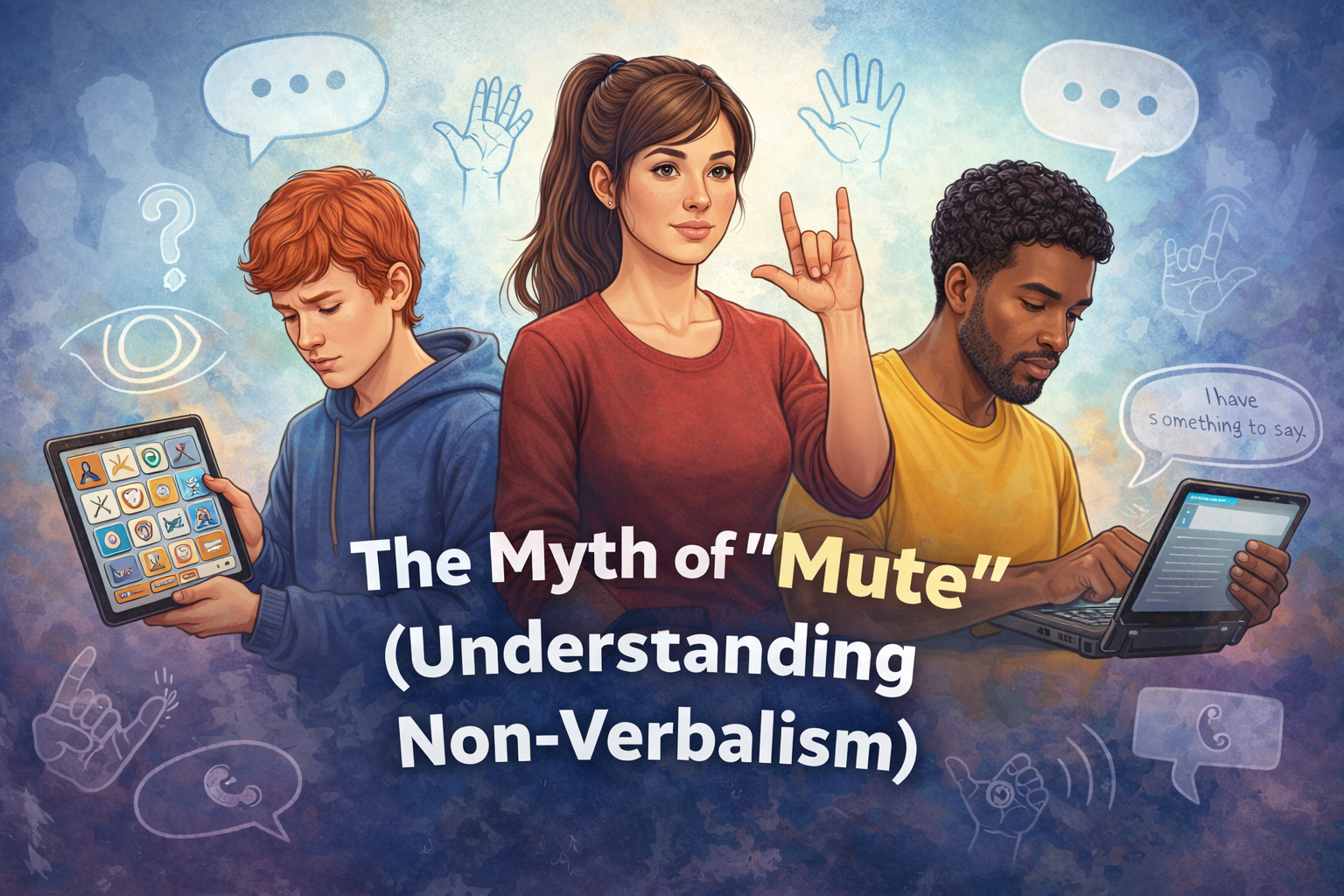
For generations, the word “mute” has been used casually to describe someone who does not speak. It appears in textbooks, old films, and even in everyday conversation. But language evolves, and so does understanding.
Today, we know that the term “mute” often oversimplifies — and sometimes misrepresents — the lived experiences of people who do not use spoken language as their primary form of communication.
The myth of “mute” understanding non-verbalism is about recognizing that speech is only one form of communication. Silence does not mean inability. And not speaking does not mean not understanding.
This conversation is not just about terminology. It is about dignity, inclusion, and awareness.
Let’s explore what non-verbalism truly means, why the myth persists, and how we can move toward more respectful understanding.
────────────────────────
Where Did the Term “Mute” Come From?
Historically, the word “mute” was used in medical and legal language to describe someone unable to speak. In older contexts, it was paired with “deaf and dumb,” a phrase now widely recognized as inappropriate and outdated.
At the time, speech was considered the primary indicator of intelligence and participation in society. If someone did not speak, it was assumed they lacked language entirely.
But modern research and lived experiences have proven that assumption wrong.
The problem with the word “mute” is that it implies absence — absence of voice, absence of expression, absence of communication. In reality, many non-speaking individuals communicate in rich, complex, and meaningful ways.
That is where understanding non-verbalism becomes essential.
────────────────────────
What Is Non-Verbalism?
Non-verbalism refers to individuals who do not use spoken words as their primary mode of communication. This can occur for many reasons:
• Neurological differences
• Autism spectrum conditions
• Apraxia of speech
• Selective mutism
• Physical conditions affecting vocal ability
• Trauma or psychological factors
It is important to understand that non-verbal does not mean non-communicative.
A person may not speak, but they may:
• Use sign language
• Type on a device
• Use picture communication systems
• Gesture and point
• Write messages
• Use eye-tracking technology
• Communicate through facial expressions
Communication is far broader than sound.
────────────────────────
The Difference Between “Mute” and “Non-Verbal”
The myth of “mute” understanding non-verbalism starts with correcting a misunderstanding.
The word “mute” suggests permanent inability to speak and often carries outdated, negative connotations.
“Non-verbal,” on the other hand, focuses on communication style rather than limitation. It acknowledges that speech is not being used — but communication is still happening.
Additionally, some individuals may be minimally verbal, meaning they use limited speech but rely on other methods for fuller expression.
Language matters because it shapes perception. When we use respectful terminology, we create more inclusive spaces.
────────────────────────
Speech Is Not the Same as Language
One of the biggest misconceptions is equating speech with intelligence or language ability.
Speech is the physical act of producing sounds.
Language is the system of meaning — thoughts, ideas, understanding, expression.
Many non-speaking individuals have strong receptive language skills. They understand everything being said. They process information. They think deeply.
The absence of spoken output does not mean the absence of thought.
This is a crucial shift in understanding.
────────────────────────
How Non-Speaking Individuals Communicate
When we expand our view of communication, we begin to see how dynamic it truly is.
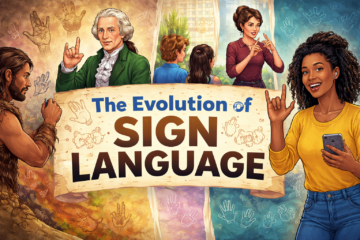
Some use American Sign Language (ASL) or other national sign systems. Sign language is a complete, complex language with grammar and structure — not just gestures.
Others use Augmentative and Alternative Communication (AAC) devices. These may include:
• Tablets with speech-generating software
• Communication boards with symbols
• Eye-gaze technology
• Text-to-speech programs
Some communicate through typing or spelling letter by letter.
Others use a combination of methods depending on context.
Communication is not one-size-fits-all. It is adaptive, creative, and personal.
────────────────────────
Autism and Non-Verbalism
Non-verbalism is often associated with autism, though not all autistic individuals are non-speaking.
Some autistic individuals may experience speech delays. Others may lose speech temporarily during periods of stress. Some may prefer typed communication because it feels more controlled and less overwhelming.
It is important not to assume inability.
Many autistic non-speaking individuals have shared powerful essays, poetry, research, and advocacy work through typing and AAC devices.
Their voices exist — even if they are not spoken aloud.
────────────────────────
The Emotional Impact of Being Labeled “Mute”
Words carry weight.
When someone is labeled “mute,” it can feel dismissive or dehumanizing. It suggests emptiness rather than difference.
Imagine understanding everything happening around you but being spoken about as if you cannot comprehend.
Inclusive language is not about political correctness. It is about respect.
When we shift from “mute” to “non-speaking” or “non-verbal,” we acknowledge humanity and complexity.
────────────────────────
Common Myths About Non-Verbalism
Myth 1: Non-verbal people cannot understand speech.
Reality: Many understand far more than others assume.
Myth 2: Non-verbal means unintelligent.
Reality: Intelligence is not determined by speech ability.
Myth 3: They cannot communicate effectively.
Reality: Communication takes many forms beyond voice.
Myth 4: If someone can type, they must be able to speak.
Reality: Speech and motor planning are different neurological processes.
Dispelling these myths is central to understanding non-verbalism.
────────────────────────
Why Society Overvalues Speech
Speech is immediate. It is convenient. It dominates education, workplaces, and social norms.
But communication is not limited to what is audible.
Consider how often we communicate without words:
• Facial expressions
• Body language
• Text messages
• Emojis
• Writing
• Art
If someone expresses themselves clearly through typing or sign language, is that less valid than speech?
Of course not.
Yet social structures often prioritize spoken communication, unintentionally excluding others.
────────────────────────
How to Support Non-Speaking Individuals
Inclusion begins with small, mindful actions.
Speak directly to the person, not just their caregiver.
Assume competence.
Be patient and allow time for responses.
Learn basic sign language if relevant.
Respect communication devices as extensions of their voice.
Avoid finishing their sentences.
Most importantly, listen — even if listening looks different.
────────────────────────
The Role of Technology in Expanding Voices
Technology has transformed communication possibilities.
Speech-generating devices allow individuals to participate in classrooms, workplaces, and communities.
Social media platforms have amplified non-speaking advocates who share experiences, challenge stereotypes, and educate others.
Technology has proven that voice does not require vocal cords.
It requires access.
────────────────────────
Understanding Selective Mutism
Selective mutism is another condition often misunderstood.
It is an anxiety-based disorder where a person may speak comfortably in some settings but not in others.
It is not stubbornness.
It is not defiance.
It is rooted in intense anxiety.
Understanding this distinction prevents harmful assumptions.
────────────────────────
Building Inclusive Environments
True inclusion means creating spaces where multiple forms of communication are accepted.
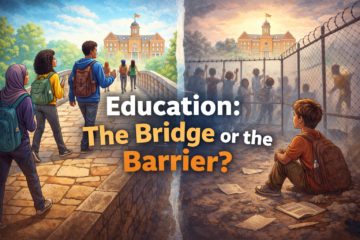
Schools can incorporate visual supports.
Workplaces can offer written communication options.
Public spaces can normalize AAC usage.
The more normalized alternative communication becomes, the less stigma remains.
────────────────────────
Language Evolution and Respect
Language changes as society grows. Terms once common may become outdated as we gain deeper understanding.
Shifting from “mute” to “non-speaking” reflects progress.
It shows that we are learning to see people as individuals rather than labels.
Respectful language fosters dignity.
────────────────────────
The Power of Perspective
Consider this: if you were suddenly unable to speak tomorrow, would you stop thinking? Stop feeling? Stop understanding?
Of course not.
You would simply find another way to communicate.
Non-verbal individuals are doing exactly that.
They are not silent. They are speaking in different languages.
────────────────────────
Why Awareness Matters
When we understand non-verbalism, we reduce stigma.
We encourage inclusion.
We empower families.
We support self-advocates.
Most importantly, we shift from pity to partnership.
────────────────────────
Moving Beyond the Myth
The myth of “mute” understanding non-verbalism teaches us something larger: communication is not limited by sound.
Human expression is vast.
Speech is one channel among many.
When we expand our definition of voice, we expand our humanity.
────────────────────────
Conclusion
The myth of “mute” understanding non-verbalism is about more than correcting a word. It is about correcting a mindset.
Non-speaking individuals are not defined by silence. They are defined by resilience, adaptability, intelligence, and creativity.
When we listen differently, we hear more.
When we speak respectfully, we include more.
And when we understand that communication is broader than speech, we create a world where every voice — spoken or unspoken — is valued.